
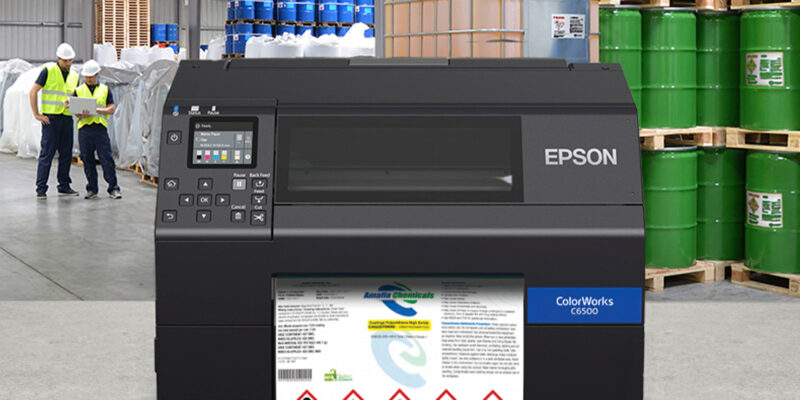
Chemical manufacturers today operate in an environment defined by constantly evolving regulations. Regular updates to the CLP Regulation, the Detergent Regulation and the Biocidal Products Regulation mean that labeling requirements are in continuous motion — creating not only administrative tasks but also significant business and operational challenges. It is no longer enough for manufacturers to comply once: labeling has become a continuous compliance cycle that requires fast reaction times, accurate data management and a flexible production background.
Several factors explain the frequency of changes. The CLP Regulation is expanding with new hazard classes and modified H‑ and P‑statements, and changes in product composition often result in a new UFI number. The Detergent Regulation places increasing emphasis on ingredient transparency and allergen labeling. The Biocidal Products Regulation generates new labeling obligations through active substance re-evaluations and changes in authorization procedures.
The latest CLP amendment introduces new requirements for label formatting (black text on a white background), specifies the permitted font type, and sets minimum font sizes depending on packaging dimensions. The VI Omnibus package aims to ease some of these strict requirements, but the proposal — currently awaiting final trilogue negotiations — unfortunately offers little relief for manufacturers. Most labels will still need to be updated to meet the new rules.
The need for continuous label updates has a major impact on production processes, inventory planning and logistics. Pictograms, H‑ and P‑statements, language versions, UFI codes and biocidal authorization numbers must always be consistent with the safety data sheet and error-free, as even a single typo or omission can lead to product recalls or fines. Disposing of non-compliant label stock and re‑labeling products both create significant financial and environmental burdens. Manual data handling is no longer viable: manufacturers need digital systems, central databases, automated CLP calculations and integrated label templates to minimize the risk of errors. What companies need is not a one‑off task, but a long‑term, strategic compliance capability.
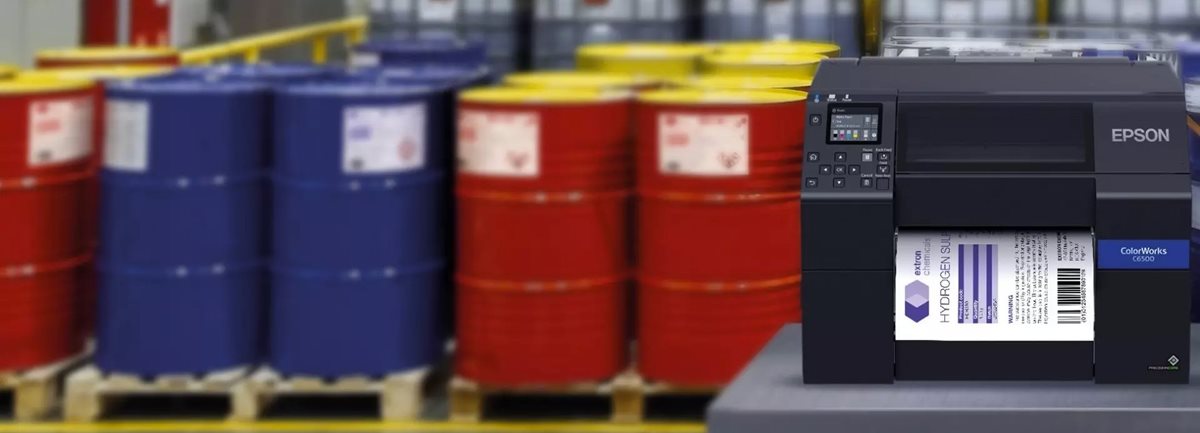
To address these challenges, more manufacturers are turning to digital label management solutions that automate CLP calculations, version control and multilingual template handling. Modular label templates, central hazard databases, fast‑response packaging procurement and integrated regulatory monitoring services all help companies adapt more flexibly and safely to changing requirements.
This is why an increasing number of manufacturers choose in‑house digital color label printing. One of its most important advantages is rapid responsiveness. When a regulation changes or a product formulation is updated, the label can be immediately refreshed and printed — without lengthy reprinting processes or external print shop lead times. This is especially critical in industries where an outdated or incorrect label can pose serious risks.
On‑site printing also significantly reduces waste. Pre‑printed label stocks can quickly become unusable after a regulatory or product change, whereas digital printing produces only the required quantity with up‑to‑date content. This is particularly beneficial for manufacturers with many SKUs, multilingual products or frequent formulation changes.
Modern industrial color label printers also offer advantages for GHS and CLP compliance. They can reproduce hazard pictograms, proper contrast and standard‑compliant font sizes in high resolution and accurate color, meeting the new CLP requirements.
Automation is another key benefit. Epson ColorWorks printers can be integrated with ERP, SAP, LIMS and other enterprise systems, allowing label data — such as UFI codes, batch numbers, language versions or hazard information — to update automatically, minimizing human error.
Digital label printing is especially cost‑effective for smaller production runs, multilingual products for export markets or seasonal variants. There is no need to stock large quantities, meet minimum order sizes or store hundreds of different label versions.
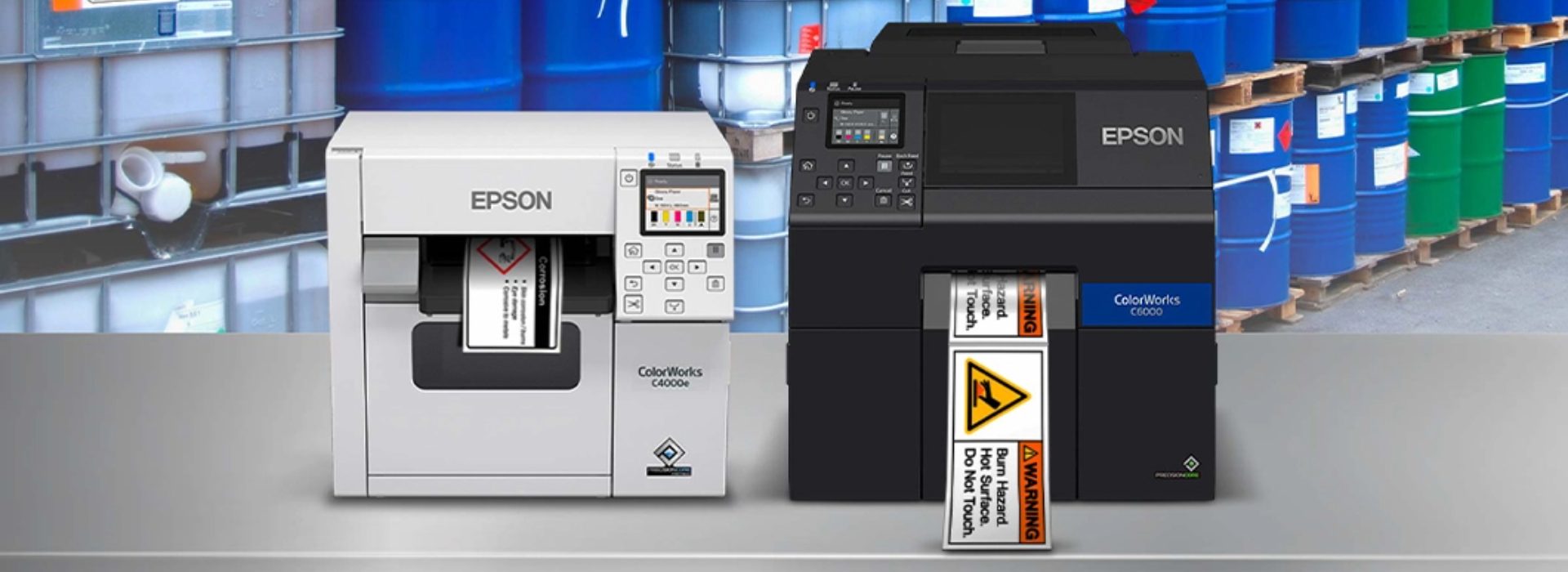
In‑house label printing is therefore not merely a convenience — it is a crucial tool for compliance, flexibility and operational reliability.
Epson ColorWorks printers offer an ideal solution to these challenges: from small labels to A4 size, they produce high‑quality, durable labels. Printing can start immediately, and up to 10,000 labels per hour can be produced.
1990-2026 MAVESZ All rights reserved | web: Hedi webdesign